What to Do When Your Car Overheats
By The Auto Healer LLC: Your Mobile Auto Repair Experts
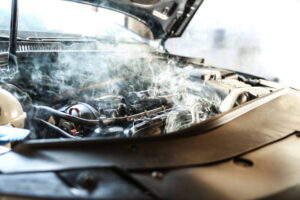
Few things are as frustrating as a car overheating unexpectedly. But don’t worry—The Auto Healer LLC, your trusted mobile mechanic, is here to help. With on-site repair services, we’ll save you time and prevent costly engine damage.
Here’s a step-by-step guide on what to do when your car overheats.
1. Spot the Warning Signs
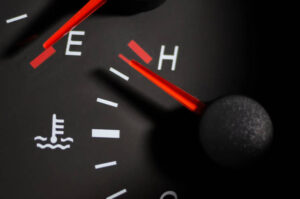
Before your car overheats, it often gives clues:
- Rising Temperature Gauge: If the needle creeps toward the red zone, take action immediately.
- Steam from the Hood: This isn’t smoke! It’s a sign your engine is too hot.
- Strange Smells: A sweet smell could indicate leaking coolant, while a burning smell might mean engine damage.
2. Turn Off the AC and Turn On the Heat
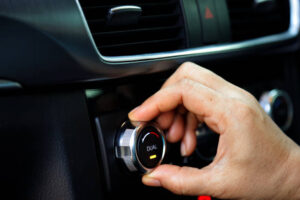
This might sound counterintuitive, but turning off your air conditioning reduces stress on your engine. Turning on the heat pulls excess warmth away from the engine, which might help bring the temperature down.
3. Pull Over Safely
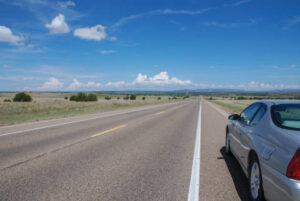
As soon as it’s safe, pull over to a secure spot. Continuing to drive an overheating car can cause severe engine damage. Turn off the engine and let it cool for at least 15-30 minutes.
Pro Tip: Never open the radiator cap while the engine is hot. The pressure can cause scalding hot coolant to spray out, leading to serious injuries.
4. Check Your Coolant Level
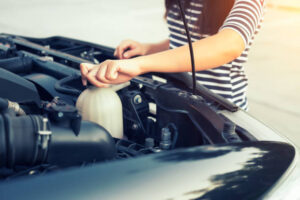
Once the engine cools, check the coolant reservoir (not the radiator if possible). If the coolant level is low, add coolant if you have it. If you’re in a pinch, water can serve as a temporary substitute—but this is not a long-term fix.
5. Call The Auto Healer LLC
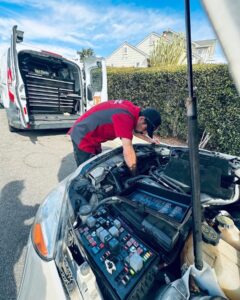
Sometimes, overheating is more than just low coolant—it could be a failed thermostat, a broken water pump, or a bad radiator. That’s where we come in. Our expert mobile auto repair team will diagnose and fix the problem on-site, so you don’t need a tow truck or a trip to the shop.
6. Prevent Future Overheating
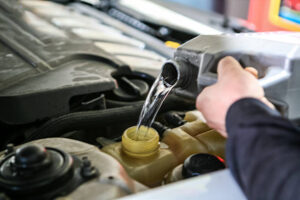
To keep your car from overheating in the future:
- Check your coolant regularly and top it off as needed.
- Schedule routine inspections of your cooling system, including the radiator, hoses, and water pump.
- Trust professionals like The Auto Healer LLC to perform timely maintenance.
What Happens if You Keep Driving an Overheating Car?
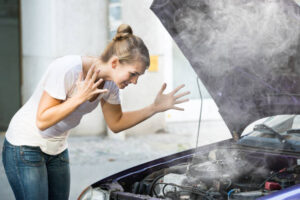
Continuing to drive an overheating car can lead to catastrophic damage, including:
- Blown Head Gasket
- Extreme heat can cause the head gasket to fail, leading to leaks in oil or coolant. A blown gasket is a costly repair, often requiring the engine to be disassembled.
- Warped or Cracked Engine Block
- Persistent overheating can warp the metal of your engine block or cause it to crack entirely, resulting in engine failure.
- Damage to Pistons and Cylinders
- Excessive heat can seize the pistons and damage cylinder walls, reducing compression and rendering your engine inoperable.
- Melted Components
- Rubber and plastic parts under the hood, like belts, hoses, and wiring, can melt or become brittle from extreme heat, leading to additional failures.
Pro Tip: Driving even a short distance with an overheated engine can significantly increase repair costs, turning what could have been a minor fix into a major financial burden.
Why Choose The Auto Healer LLC?
With years of experience and a reputation for quality service, The Auto Healer LLC is proud to be your trusted partner for on-the-spot car repairs.
Here’s why we’re the go-to choice for drivers in need:
- Convenience: We bring the shop to you—no waiting in line, no tow trucks needed.
- Expertise: Our ASE-certified mechanics handle all makes and models.
- Fast Response: Whether you’re at home, work, or stuck on the side of the road, we’ll get you back on the road quickly.
Frequently Asked Questions

1. What are the most common causes of a car overheating?
Overheating can happen for several reasons, including:
- Low coolant levels or leaks.
- Malfunctioning thermostat.
- Broken water pump.
- Clogged radiator or cooling system.
- Faulty radiator fan or fan belt.
2. Can I use water instead of coolant in an emergency?
Yes, you can temporarily use water if you don’t have coolant available. However, coolant is designed with additives to prevent corrosion and regulate temperature more effectively. Make sure to replace it with the proper coolant mixture as soon as possible.
3. How long can I drive an overheating car?
It’s not safe to drive any distance with an overheating car. Even a few minutes of driving in this condition can cause serious engine damage. Pull over immediately and call a professional.
4. How can I tell if my car needs more coolant?
Check the coolant reservoir (usually a translucent plastic container near the radiator). It should have minimum and maximum markings. If the level is below the minimum, you need to add coolant.
5. How often should I check my car’s coolant level?
You should check your coolant level at least once a month and before long trips. Make it a part of your regular vehicle maintenance routine.
6. Can The Auto Healer LLC fix an overheating car on the spot?
Absolutely! Our mobile mechanics can diagnose and repair many overheating issues on-site, such as replacing a thermostat, repairing leaks, or refilling coolant. If the issue is more severe, we’ll provide expert advice on the next steps.
7. How much does a mobile repair cost for an overheating issue?
The cost depends on the specific problem, such as a coolant top-up, hose repair, or part replacement. Contact us for a transparent quote tailored to your car’s needs.
8. Can overheating damage the transmission?
Yes, especially if your car has a shared cooling system for the engine and transmission. Overheating can cause transmission fluid to break down, leading to poor lubrication and potential transmission failure.
9. How can I prevent my car from overheating in the future?
- Check your coolant levels regularly.
- Inspect the radiator and hoses for leaks or cracks.
- Ensure the thermostat, radiator fan, and water pump are functioning properly.
- Schedule regular maintenance with professionals like The Auto Healer LLC.
10. What should I do if I’m stuck in traffic and my car starts to overheat?
If possible, shift into neutral or park and gently rev the engine. This can circulate coolant and bring the temperature down. Turn off the air conditioning and turn on the heater to pull heat away from the engine. If the temperature gauge continues to rise, pull over safely and call for assistance.
Need Help Now?
If your car overheats, don’t panic—The Auto Healer LLC is just a call away.
Click below to schedule your mobile repair appointment today and let us bring the shop to you!